
How Clinical Trials Work in NYC: From Eligibility Screening to Study Results
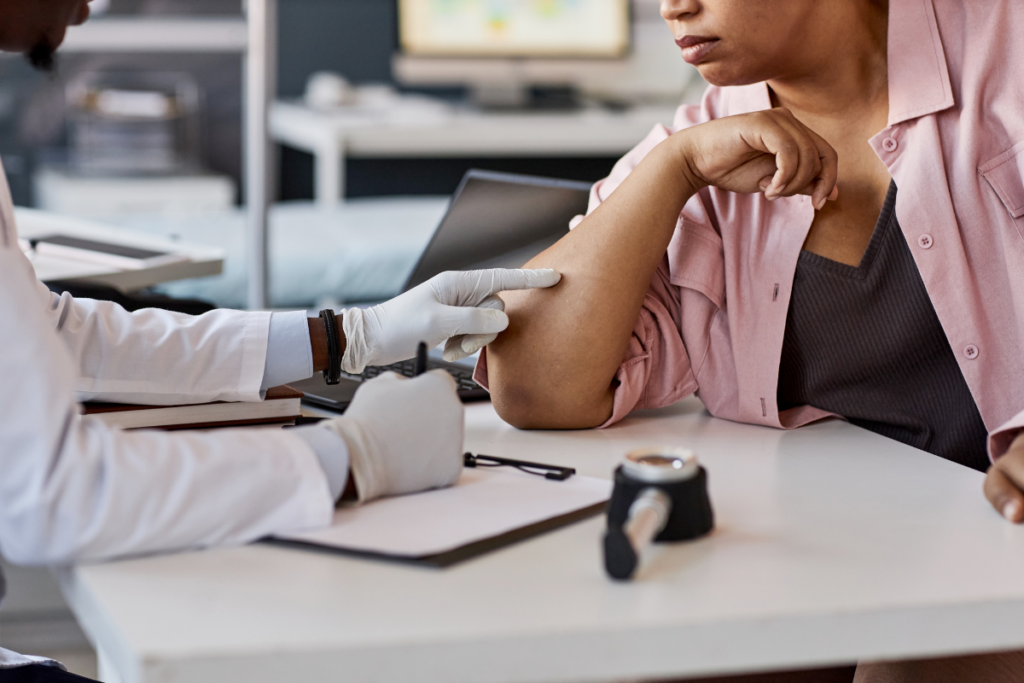
If you’re considering participating in a clinical trial, it’s normal to want a clear picture of what happens after you express interest. While clinical research can seem complicated, every step follows strict guidelines designed to protect participants and generate trustworthy medical data.
This guide walks you through how clinical trials work in New York City, from initial eligibility checks to how results are shared once a study ends.
Step 1: Finding Eligible Participants
Clinical trials begin by identifying people who may qualify for a specific study. In NYC, this often happens through:
- Online study listings and advertisements
- Referrals from healthcare providers
- Research registries and outreach programs
At this stage, you may complete a short questionnaire covering basic health information, age range, or diagnosis to determine whether you may move forward.
Step 2: Eligibility Screening
If you appear to be a potential match, you’ll be invited for a screening visit. This step confirms whether the study is appropriate and safe for you. Screening may include:
- Reviewing your medical and medication history
- Physical exams and vital sign checks
- Blood tests, imaging, or other diagnostics
Not everyone who is screened will qualify, and that’s okay. This process protects both participants and the integrity of the research.
Step 3: Understanding Informed Consent
Before joining a study, you’ll go through an informed consent process. This is more than paperwork—it’s a detailed conversation with the research team about:
- The purpose of the study
- What participation involves
- Possible risks and potential benefits
- Your rights as a volunteer
You’ll have time to ask questions and review everything carefully. Participation is always voluntary, and you may withdraw at any time.
Step 4: Study Group Assignment
Many clinical trials use random assignment to place participants into groups. This could include:
- An investigational treatment group
- A comparison group receiving standard care or a placebo
Randomization helps researchers ensure results are unbiased and scientifically valid.
Step 5: Taking Part in the Study
Once enrolled, active participation begins. Depending on the study, this may involve:
- Regular clinic visits at an NYC research site
- Taking study medication or receiving treatment
- Completing health surveys or symptom diaries
- Follow-up lab work or imaging
Study durations vary. Some trials last a few weeks, while others continue for several months or longer.
Step 6: Ongoing Monitoring and Safety
Participant safety is a top priority throughout the study. Research teams closely monitor your health, and independent safety boards review data regularly. If side effects occur, adjustments may be made, or participation may stop if necessary.
Step 7: Completing the Study
After your final visit, researchers compile and analyze the collected data. While individual treatment assignments may not be revealed immediately, participants can often request a general study summary once results are available.
Step 8: Sharing Results and Advancing Medicine
Study findings may be published in medical journals or submitted to regulatory agencies like the FDA. Successful trials can lead to new treatment options, while unsuccessful ones still provide valuable insights that guide future research.
Frequently Asked Questions About Clinical Trials
How long does the screening process take?
Screening may take one visit or several weeks, depending on the study’s requirements and testing involved.
Will I definitely receive the new treatment?
Not always. Some participants receive standard care or a placebo, but all participants receive careful medical oversight.
Can I leave a clinical trial early?
Yes. You can withdraw at any time for any reason, without penalty.
Final Thoughts
Clinical trials follow a structured and ethical process designed to protect participants while advancing medical knowledge. From eligibility screening to final results, each step plays a vital role in improving future healthcare.
👉 Interested in participating?
Explore current clinical trials available in New York City and see if you may qualify to contribute to tomorrow’s medical breakthroughs.